
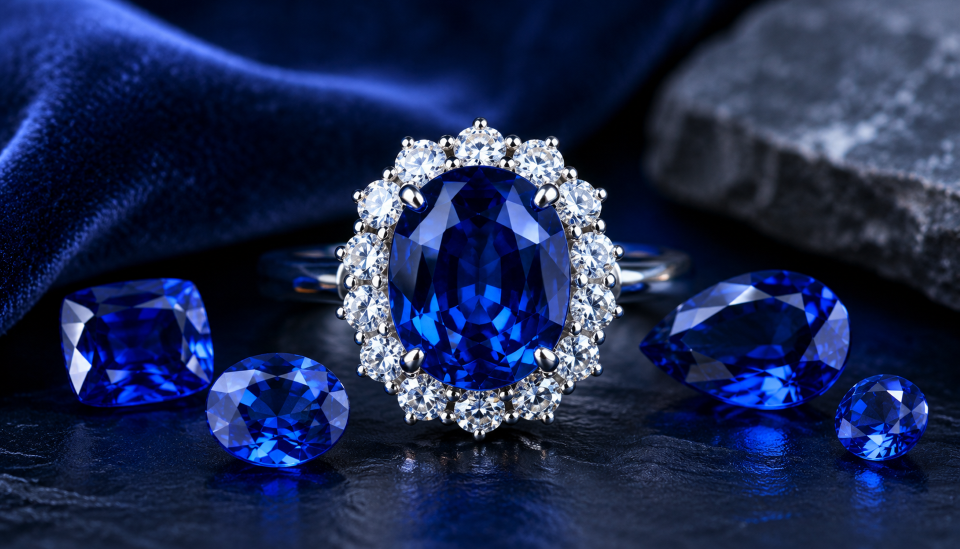
If you’re born in September, sapphire is your birthstone. It comes in almost every colour except red, though deep blue remains the classic choice. People pick it for engagement rings, gifts, and everyday pieces because it holds up well to daily wear.
What Sapphire Is
Sapphire is a variety of the mineral corundum, the same mineral that produces ruby. The only difference between the two comes down to colour and the trace elements that cause it. Iron and titanium give sapphire its blue tones, while chromium is what turns corundum into ruby instead.
Blue gets most of the attention, but sapphire shows up in pink, yellow, green, purple, and colourless varieties too. There’s also padparadscha, a rare peachy-pink sapphire named after the lotus flower, prized for how uncommon it is.
Corundum sits at 9 on the Mohs hardness scale, just below diamond. That makes sapphire one of the most durable gemstones available, which is why it holds up so well in rings and pieces worn often.
The Meaning Behind Sapphire
Sapphire has a long history tied to power and protection. Medieval clergy wore it as a symbol of heaven, royals set it into crowns and coronation jewellery, and for centuries people believed it could guard against harm and envy. Princess Diana’s engagement ring made it recognisable to a modern audience, but its royal associations go back much further than that.
Today, people choose sapphire for what it represents: wisdom, loyalty, and nobility. It works well as a gift for anniversaries, engagements, or milestone birthdays because the meaning behind it feels personal without being over the top. It’s a stone people give when they want the choice itself to say something.
Where Quality Matters
The 4 C’s apply to sapphire, but the priority shifts compared to diamonds. Colour carries the most weight here. A rich, evenly saturated blue with good tone will outvalue a paler stone even if that paler stone has better clarity. Cut affects how well the colour shows through, and a skilled cutter can bring out depth in a stone that would otherwise look flat. Clarity matters less because sapphires naturally include tiny internal features, and carat weight simply reflects size, though larger stones in fine colour get rare and pricier fast.
Heat treatment is standard practice in the sapphire trade and has been for centuries. It enhances colour and clarity in stones that already have good potential, and it’s disclosed by reputable sellers rather than hidden. Lab-created sapphires share the same chemical makeup as natural ones and cost significantly less, making them a solid option for people who want the look without the price tag of a natural stone.
If you’re buying one, ask for a grading report from a lab like GIA or AGL, especially for larger or more expensive stones. Look at the sapphire in natural daylight, since colour can shift under different lighting. Check for eye-clean clarity, meaning no inclusions visible without magnification, and confirm whether it’s natural or lab-created and what treatments it’s had. A good jeweller will walk you through all of this without hesitation.
Styling and Setting Ideas
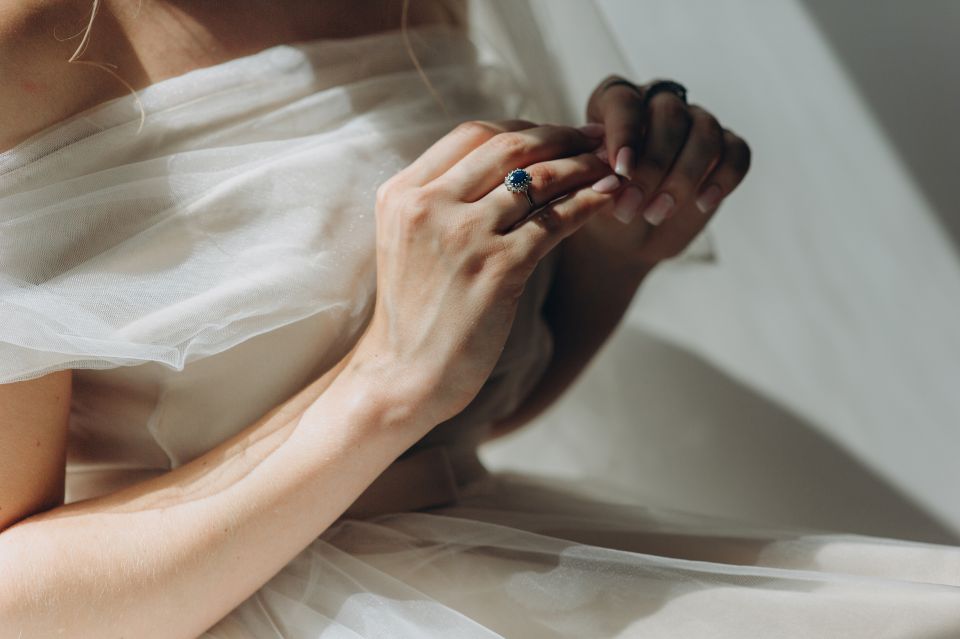
Sapphire looks striking in a range of cuts, but oval and cushion cuts tend to bring out its colour and depth especially well. Halo settings are popular too, since a ring of diamonds around the centre stone makes the sapphire look larger and adds extra sparkle. For something more understated, a simple bezel or three-stone setting lets the colour do the talking.
Metal choice changes the whole feel of the piece. White gold and platinum bring out the cool, icy quality of blue and purple sapphires, while yellow gold adds warmth and pairs beautifully with pink or padparadscha stones. Rose gold works well with almost any sapphire shade, giving the piece a softer, more romantic look.
Sapphire suits almost any occasion. It also makes a meaningful September birthday gift, and because it holds up so well over time, sapphire pieces often become the kind of jewellery that gets passed down and worn for generations.
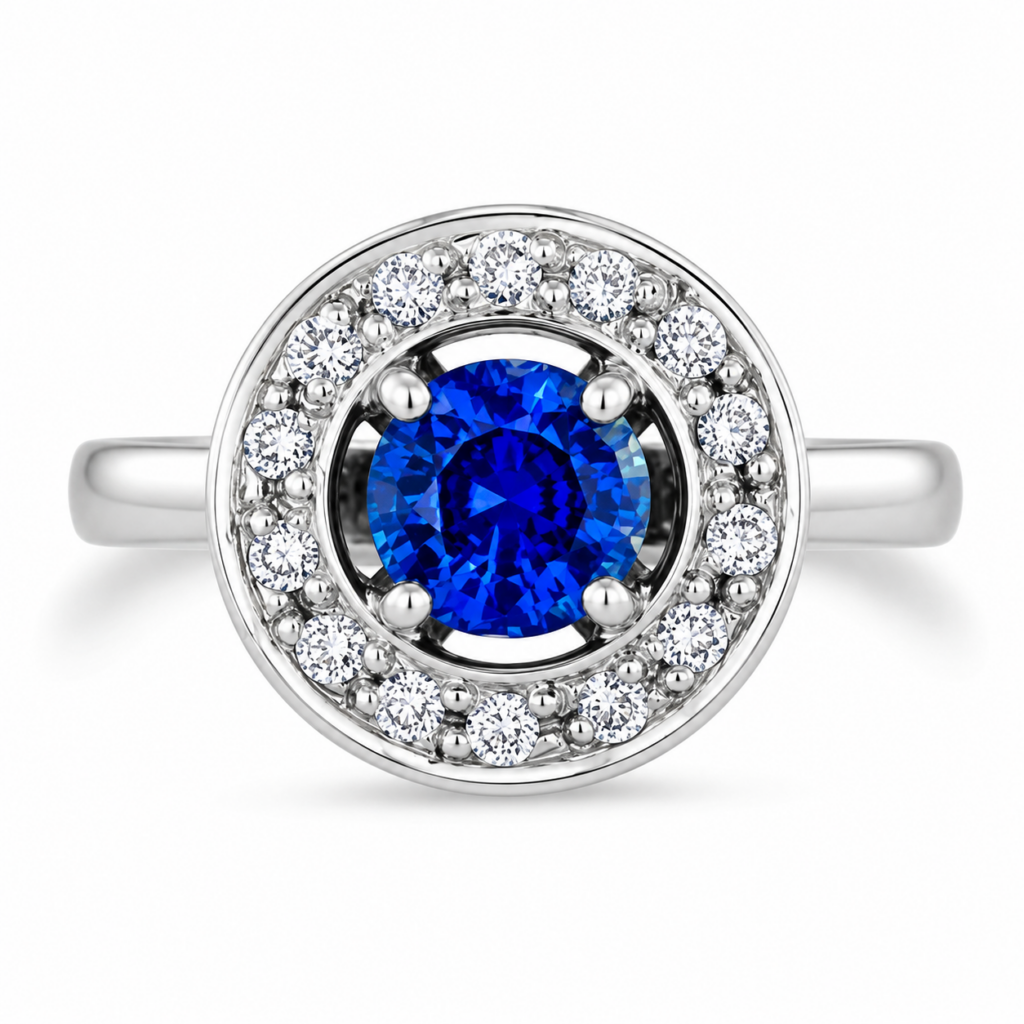
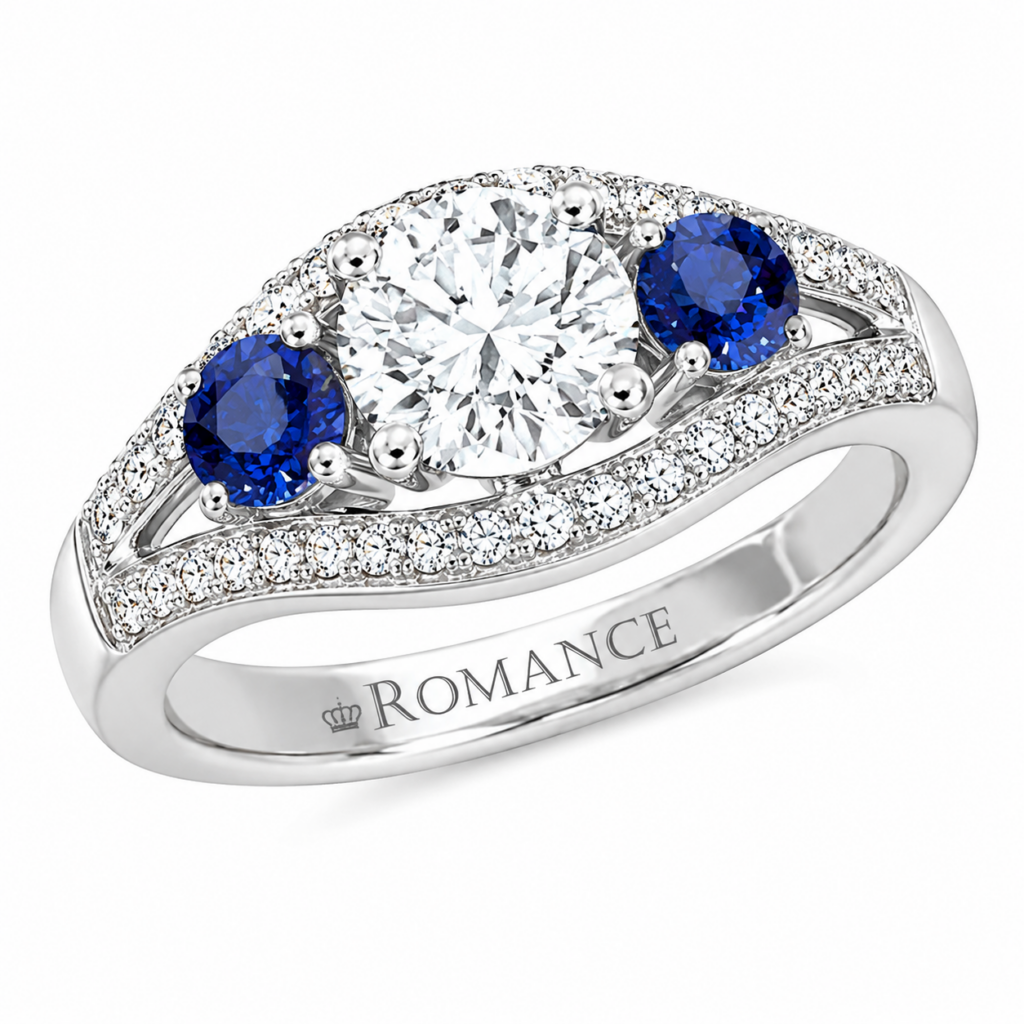
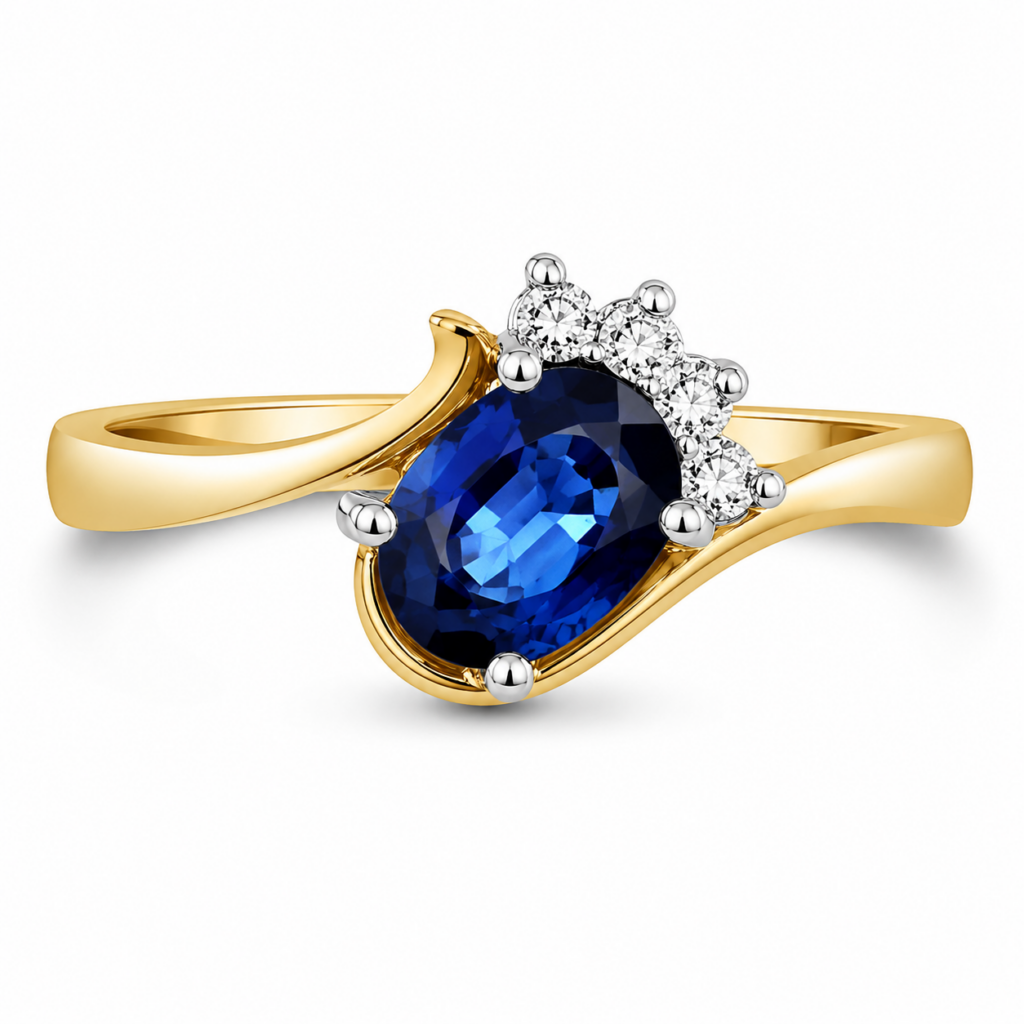
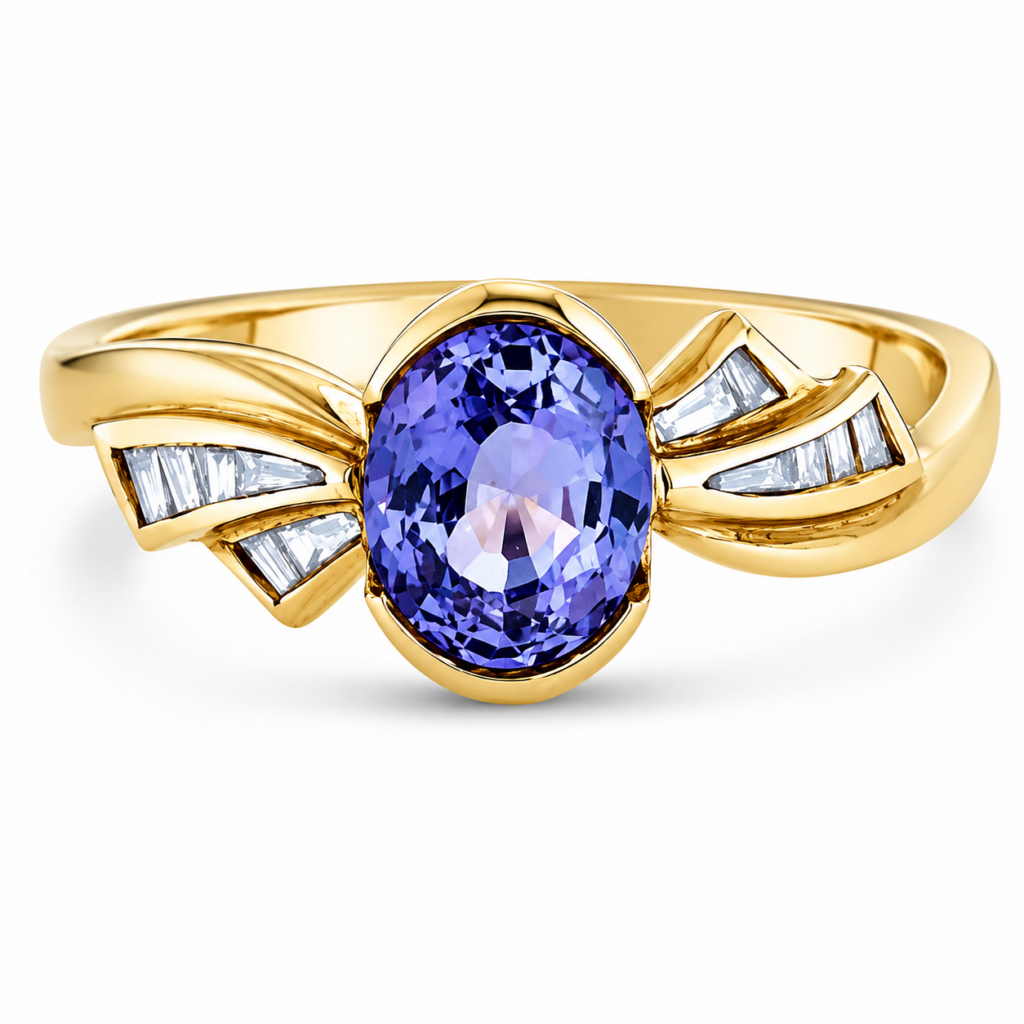
Want something special and unique? Talk to us about designing custom engagement ring, down to the last detail!
Caring for Sapphire Jewellery
Sapphire is tough, but it still needs care. Clean it with warm water, mild soap, and a soft brush to keep it looking bright. Ultrasonic and steam cleaners are generally safe for natural and heat-treated sapphires but skip them if your stone has fractures or has been clarity-enhanced with fillers.
Store sapphire pieces separately from other jewellery to avoid scratches, ideally in a soft pouch or a lined box. Take rings off before heavy manual work, gardening, or gym sessions, since knocks can still chip a setting even if the stone itself holds up well. A quick wipe with a soft cloth after wearing keeps oils and everyday grime from building up over time.
Bringing Your Sapphire to Life
If you’re thinking about a sapphire piece, whether it’s a custom engagement ring, a birthday gift, or something to mark a milestone, working with a designer means the piece is built around you rather than picked off a shelf. We help source stones, guide you through colour and quality, and shape a design that fits how you’ll actually wear it.
Book a consultation with our team to talk through what you have in mind.