
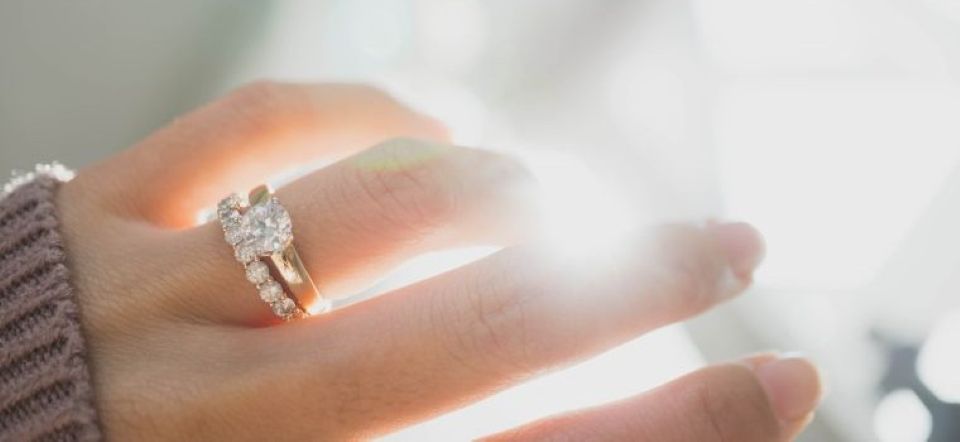
Choosing an engagement ring isn’t just about the diamond. The metal you choose for the band plays a big role in how the ring looks, feels, and holds up over time. From classic yellow gold to modern platinum, each option has its own strengths, price point, and level of maintenance.
If you’ve been wondering what metal is best for an engagement ring, the answer depends on how you live, what style you prefer, and how often the ring will be worn. Some metals are better for durability, others for affordability or appearance.
In this guide, we’ll break down the most popular engagement ring metals, compare gold and platinum, and help you decide which option suits you best.
Why Ring Metal Matters More Than You Think
It’s easy to focus on the centre stone, but the band is as important. The metal you choose affects how your ring feels on your hand, how it pairs with your skin tone, and how well it holds up over time.
Some metals are built for durability and can handle years of daily wear with minimal fuss. Others are softer or require more maintenance to keep their finish looking sharp. If you live an active lifestyle or work with your hands, this choice becomes even more important.
There’s also the visual side to consider. The colour of the metal can completely change the look of the ring, from the warmth of yellow gold to the clean, modern feel of platinum or white gold. It can enhance or soften the appearance of your diamond depending on the combination.
Then there’s the long-term factor. Over time, metals wear differently. Some develop a natural patina, while others need occasional replating or polishing to maintain their original finish.
A Closer Look at Popular Engagement Ring Metals
When it comes to engagement ring metals, there’s no one-size-fits-all choice. Each option has its own look, feel, and level of durability, which is why it helps to understand how they actually perform in everyday wear, not just how they look in the display case.
Gold is the most traditional choice and comes in a range of colours, including yellow, white, and rose. It’s versatile, widely available, and suits almost any style. The purity level also plays a role, with higher karats offering a richer colour but slightly less durability.
Platinum sits at the premium end of the spectrum. It has a naturally white finish, feels heavier on the hand, and is known for its strength. It’s a popular option for those who want something long-lasting with minimal upkeep, especially if you prefer a cooler-toned metal.
Palladium offers a similar look to platinum but is lighter and often more affordable. It’s a good middle ground if you like the appearance of white metals but don’t want the weight or price tag of platinum.
Silver is less common for engagement rings. While it’s more budget-friendly, it’s also softer and more prone to scratches and tarnishing, which makes it less practical for something worn every day.
How Metal Choice Affects Style and Skin Tone
Beyond durability and price, the metal you choose has a big impact on how the ring looks on your hand and how well it fits with your existing jewellery.
If you already wear mostly yellow gold jewellery, sticking with yellow gold for your engagement ring usually makes the most sense. It keeps everything consistent and avoids that mismatched look when you wear multiple pieces together. The same applies if your collection leans more towards white metals like white gold or platinum.
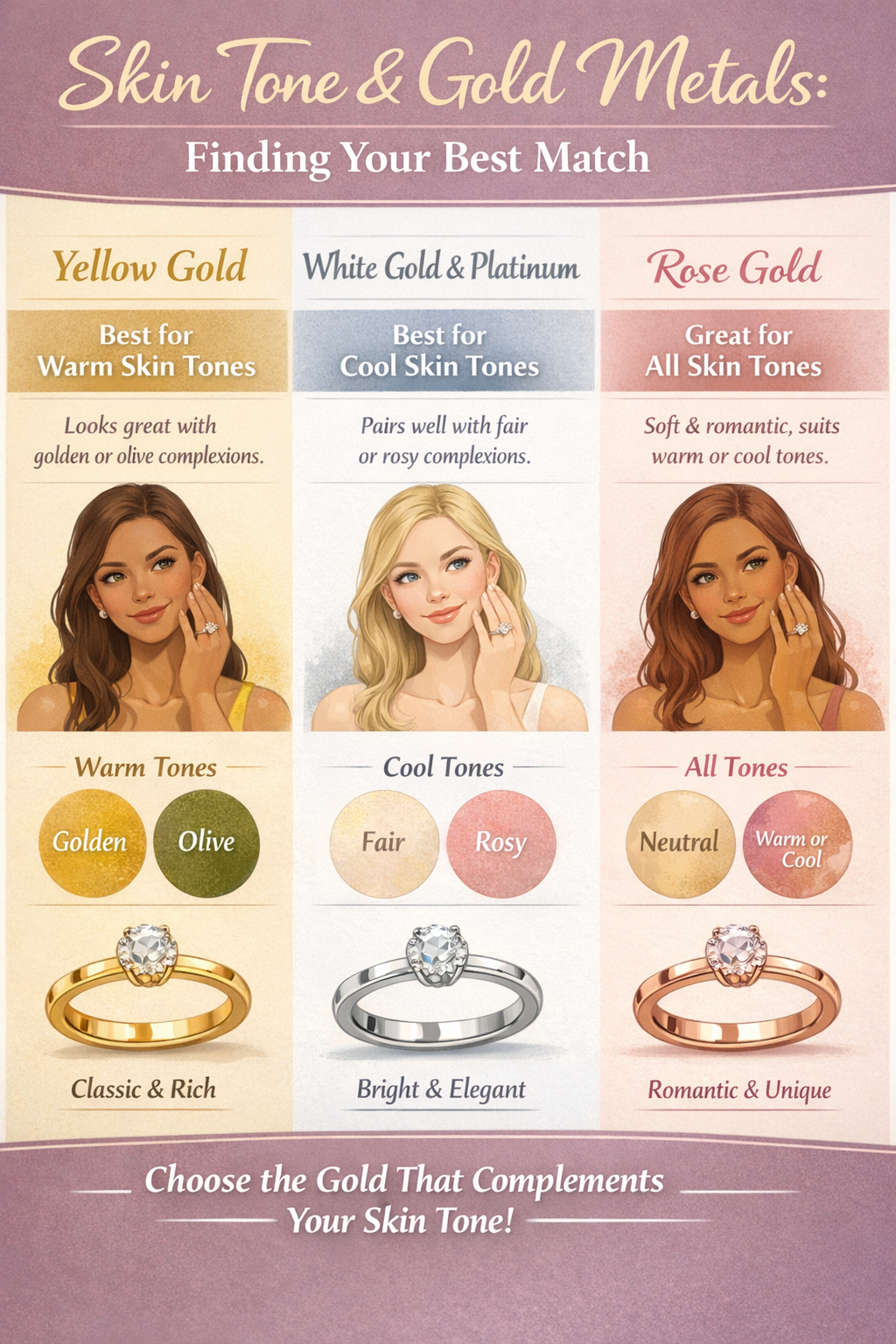
Skin tone can also influence what looks best. Yellow gold tends to suit warmer skin tones, bringing out natural warmth and giving a rich, classic look. White gold and platinum often complement cooler skin tones, creating a clean, bright contrast. Rose gold sits somewhere in between and works well across a wide range of skin tones, especially if you want something a bit softer or more unique.
What Metal Is Best for an Engagement Ring?
There’s no single “best” metal for an engagement ring band, it really comes down to what matters most to you. The right choice depends on how you wear your ring, your budget, and the look you’re going for.
If durability is your top priority, platinum is hard to beat. It’s dense, strong, and holds its shape well over time, making it ideal for everyday wear. It’s especially popular for those who want a low-maintenance option that can handle an active lifestyle.
If you’re looking for something more affordable without sacrificing style, gold is the most versatile choice. White gold offers a similar look to platinum at a lower price point, while yellow and rose gold give you more warmth and character. Just keep in mind that white gold may need occasional replating to maintain its bright finish.
For those with sensitive skin, platinum and higher-karat gold (like 18k) are often better options as they’re less likely to cause irritation. Palladium can also be a good alternative if you want something lightweight and hypoallergenic.
If budget is a key factor, lower-karat gold (such as 9k or 14k) provides a balance between durability and cost. While silver is cheaper, it’s generally not recommended for engagement rings due to how easily it scratches and wears down.
Engagement Ring Metals Compared
| Metal | Best For | Durability | Maintenance | Price | Look |
|---|---|---|---|---|---|
| Gold (Yellow, White, Rose) | Versatility and classic style | Moderate (depends on karat) | White gold may need replating | Mid-range | Warm (yellow/rose) or bright (white) |
| Platinum | Long-term durability and premium feel | Very high | Low, develops natural patina | High | Naturally white, slightly matte over time |
| Palladium | Lightweight alternative to platinum | High | Low | Mid to high | Similar to platinum, lighter feel |
| Silver | Budget-friendly option | Low | High, can tarnish | Low | Bright white but can dull over time |
Do Wedding and Engagement Rings Have to Be the Same Metal?
Short answer, No. Your wedding band and engagement ring don’t have to be made from the same metal. It really comes down to the look you prefer and how you plan to wear both rings together. Matching metals is the more traditional approach. It creates a seamless, cohesive look, especially when the rings sit side by side. If your engagement ring is yellow gold, pairing it with a yellow gold wedding band keeps everything consistent and avoids any contrast between the two.
That said, mixing metals has become far more common. Combining something like a platinum engagement ring with a yellow or rose gold band can create a more modern, layered look. It also gives you flexibility if you already wear a mix of jewellery or want something a bit less conventional.
There are a couple of practical things to keep in mind. Different metals wear at different rates, so pairing a very hard metal with a softer one can sometimes lead to uneven wear where the rings rub together. It’s not a dealbreaker, but it’s worth discussing with a jeweller if you plan to stack them daily.
In the end, there’s no rule you have to follow. Whether you match or mix, the right choice is the one that feels natural to you and fits your overall style.
What Is the Most Affordable Engagement Ring Metal?
If budget is your main concern, silver is generally the most affordable engagement ring metal. It’s widely available, easy to work with, and costs significantly less than gold or platinum. That’s why silver is often chosen for lower-cost rings or temporary pieces. It gives you a similar bright, white look to white gold, but at a fraction of the price.
However, silver is much softer than other metals, which means it scratches more easily, can bend over time, and may tarnish without regular care. So while it’s the cheapest upfront, it’s not always the best long-term option for something you plan to wear every day.
If you’re looking for a balance between affordability and durability, 9k or 14k gold is usually the sweet spot. Lower-karat gold contains more alloy metals, making it stronger and more budget-friendly than higher-karat options like 18k.
Another option is white gold, which tends to be slightly more affordable than yellow gold while still offering a similar look to platinum.
So in simple terms:
- Cheapest option: Silver
- Best budget-friendly long-term option: 9k or 14k gold
- Step up from budget: White gold or palladium
The key is not just choosing the lowest price, but finding a metal that will still hold up over time.
Which Metal Requires the Least Maintenance?
If you want something you can wear every day without thinking about upkeep, platinum is the lowest-maintenance option. It doesn’t need replating, it won’t tarnish, and it holds its natural colour over time. Instead of wearing away, platinum develops a soft patina finish, which many people actually like. If you prefer the original shine, it can be polished back easily, but it’s not something you have to stay on top of.
Compared to that, white gold requires more upkeep. It’s usually coated with rhodium to achieve its bright white finish, and over time that coating wears off, meaning it needs occasional replating to keep its look.
Yellow and rose gold sit somewhere in the middle. They don’t require plating, but they can pick up scratches over time, especially in higher karats like 18k, which are softer.
Silver is the highest maintenance. It can tarnish fairly quickly and needs regular cleaning to keep it looking good, which makes it less practical for everyday wear.
If your goal is something that stays looking good with minimal effort, platinum is the easiest choice to live with long term.
Ready to Choose the Perfect Ring?
If you’re still unsure which metal is right for you, talk to us. We can help you compare options in person, explain the differences clearly, and design a ring that suits your style, budget, and lifestyle. Whether you’re leaning towards gold, platinum, or something more unique, our team can guide you through every step of the process.
Book a consultation today or visit our Joondalup jewellery store to start creating an engagement ring that’s made to last.