
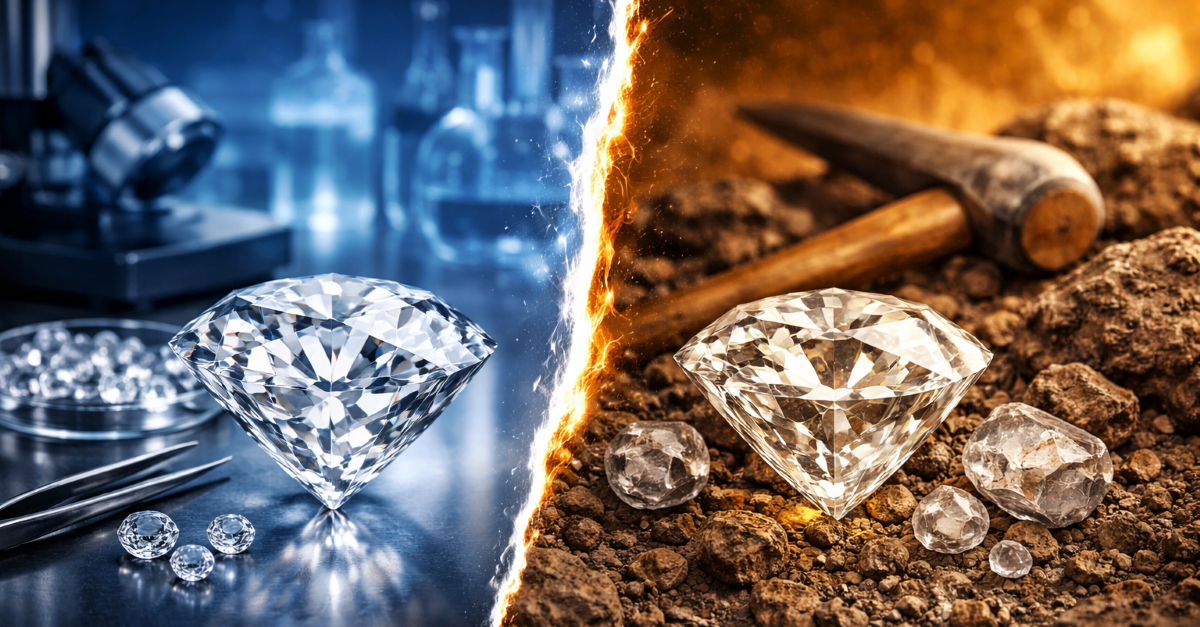
Diamonds have long been associated with love, commitment, and timeless beauty. In recent years, lab grown diamonds have become a popular alternative to traditional mined stones, offering the same sparkle and durability with a different origin. Many buyers researching engagement rings or fine jewellery now compare lab grown diamonds vs natural diamonds to understand which option best suits their preferences and budget.
If you are considering lab grown diamonds, it helps to understand how these stones are made, how they compare to natural diamonds, and what advantages each option offers. Our Perth grown diamonds can be a great addition for an engagement ring or upgrading jewellery.
What Are Lab Grown Diamonds?
Lab grown diamonds are genuine diamonds created using advanced technology that replicates the natural diamond formation process. Instead of forming deep within the earth over billions of years, these diamonds are produced in controlled laboratory environments.
Despite their origin, lab grown diamonds have the same chemical composition, crystal structure, hardness, brilliance, and fire as natural diamonds. They are not diamond simulants like cubic zirconia or moissanite. Instead, they are real diamonds made from carbon atoms arranged in the same crystal lattice as mined diamonds. There are two primary methods used to create laboratory grown diamonds.
High Pressure High Temperature (HPHT)
The HPHT method recreates the intense pressure and heat conditions found deep in the earth’s mantle where natural diamonds develop. Carbon is subjected to extreme temperatures and pressure, causing it to crystallise and form a diamond.
Chemical Vapour Deposition (CVD)
CVD diamonds are grown using a process where carbon-rich gas is introduced into a chamber. The carbon atoms gradually bond and build layer by layer to form a diamond crystal. Both methods produce real diamonds that are visually and structurally identical to natural diamonds. Many customers exploring our lab grown diamonds Perth collection are surprised to learn that these diamonds offer the same brilliance and durability as mined stones while providing a more accessible price point.
What Are Natural Diamonds?
Natural diamonds form deep underground under immense pressure and heat over billions of years. Volcanic activity pushes these diamonds closer to the earth’s surface, where they are eventually mined.
Because of their long formation process and limited supply, natural diamonds have historically been viewed as rare and valuable. Each natural diamond has unique inclusions and characteristics that developed during its formation. Natural diamonds have traditionally dominated the jewellery market, particularly for engagement rings, wedding rings, and luxury jewellery.
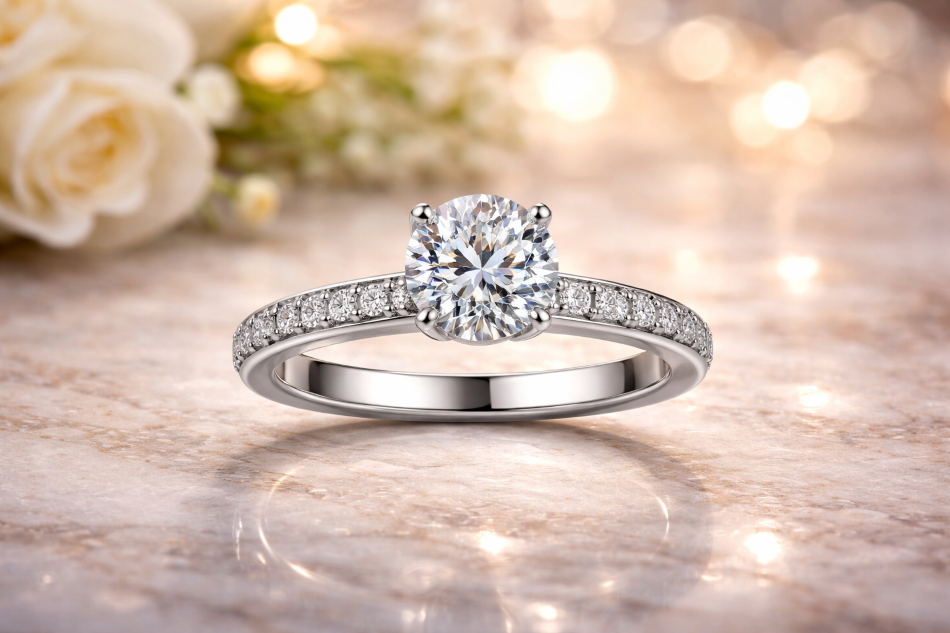
Lab Grown Diamonds vs Natural Diamonds
When comparing lab grown diamonds vs natural diamonds, the differences mostly relate to origin, price, and rarity rather than appearance or durability.
Appearance and Sparkle
Visually, lab grown diamonds and natural diamonds look identical. Both display the same brilliance, fire, and sparkle because they share the same optical properties. Even experienced jewellers often require specialised diamond testing equipment to distinguish between them. Many customers prefer to compare stones in person before choosing. If you want to view different diamonds side by side, visit our jewellery shop in Perth (Joondalup WA) to see both lab grown and natural diamonds up close.
Chemical and Physical Properties
Lab grown diamonds and natural diamonds share identical physical properties. Both types of diamonds:
- Have a hardness of 10 on the Mohs scale
- Are made of pure crystallised carbon
- Display the same light refraction and brilliance
- Are equally durable for daily wear
This means lab created diamonds are just as strong and long lasting as natural diamonds, making them suitable for engagement rings and fine jewellery.
Diamond Price Comparison
One of the biggest factors influencing buyers today is price. Lab grown diamonds typically cost 30 to 60 percent less than natural diamonds of the same size and quality. This price difference allows buyers to choose a larger diamond or a higher quality stone with better colour and clarity while staying within the same budget. For buyers looking for exceptional value, our Perth lab grown diamonds are becoming an increasingly popular option.
Diamond Rarity
Natural diamonds are considered rare because they take billions of years to form and must be mined from limited deposits. Lab grown diamonds, on the other hand, can be produced within a few weeks in a laboratory environment. This difference in supply contributes to the price gap between natural diamonds and lab grown diamonds.
Environmental and Ethical Considerations
Another reason many people consider lab grown diamonds is the perception that they may have a smaller environmental impact compared to traditional diamond mining. Mining operations can involve significant land disruption, whereas lab grown diamonds are created in controlled environments. However, it is important to note that laboratory production still requires energy and resources. Buyers who prioritise sustainability often explore lab grown diamonds as an alternative option.
Are Lab Grown Diamonds Real Diamonds?
A common question people ask is whether lab grown diamonds are real diamonds.
The answer is yes.
Lab grown diamonds are real diamonds, not diamond simulants.
They share the same:
- Chemical structure
- Physical properties
- Optical brilliance
- Durability and hardness
The only difference between lab grown and natural diamonds is how they were formed.
Benefits of Lab Grown Diamonds
Choosing lab grown diamonds offers several advantages for modern buyers.
- Lower price compared to natural diamonds
- Ability to purchase a larger diamond for the same budget
- Identical brilliance and sparkle
- Ethical sourcing without traditional mining
- More consistent availability and quality
These factors have contributed to the rapid growth of lab grown diamond engagement rings and jewellery in Australia.
Benefits of Natural Diamonds
Despite the rise of lab grown stones, natural diamonds still appeal to many buyers.
Natural diamonds are:
- Formed over billions of years
- Considered rare and unique
- Traditionally associated with long term value
- Often viewed as heirloom pieces
- Highly desired in the luxury jewellery market
For some buyers, the natural origin and geological history of a diamond add emotional significance.
Choosing Between Lab Grown and Natural Diamonds
Deciding between lab grown diamonds and natural diamonds ultimately comes down to personal preference.
If you prioritise value, larger carat size, and modern technology, lab grown diamonds offer an excellent option.
Many buyers choose them for engagement rings because they allow for a bigger or higher quality stone within their budget.
If rarity, natural formation, and traditional diamond heritage are more important to you, natural diamonds may be the preferred choice.
If you are unsure which option suits you best, you can speak with our Joondalup jewellers who can explain the differences and help you compare diamonds in person.
Final Thoughts on Lab Grown Diamonds
The jewellery industry has evolved significantly with the introduction of lab grown diamonds. They provide the same beauty, strength, and brilliance as natural diamonds while offering greater accessibility for many buyers.
As awareness grows, more people are exploring the benefits of lab grown diamond engagement rings, lab created diamonds, and laboratory grown diamonds when choosing fine jewellery.
If you would like to learn more or browse available stones or designs, visit our jewellery shop in Joondalup, Perth to see the diamonds in person and receive expert guidance when selecting the perfect piece.